October 29, 2026
Pond aeration windmills play a crucial role in maintaining the health of aquatic ecosystems. They provide an environmentally friendly solution to increase oxygen levels in pond water, which is essential for the well-being of aquatic life. The balance of oxygen and other gases in water is critical; without proper aeration, ponds can suffer from eutrophication, leading to issues such as fish kills and excessive algae growth. In addition, windmill-powered aeration systems rely on renewable energy, making them a sustainable and economical choice for pond maintenance. This article explores the intricacies of pond aeration windmills, their benefits, and their impact on the environment and economy.
The Basics of Pond Aeration Windmills
What is a Pond Aeration Windmill?
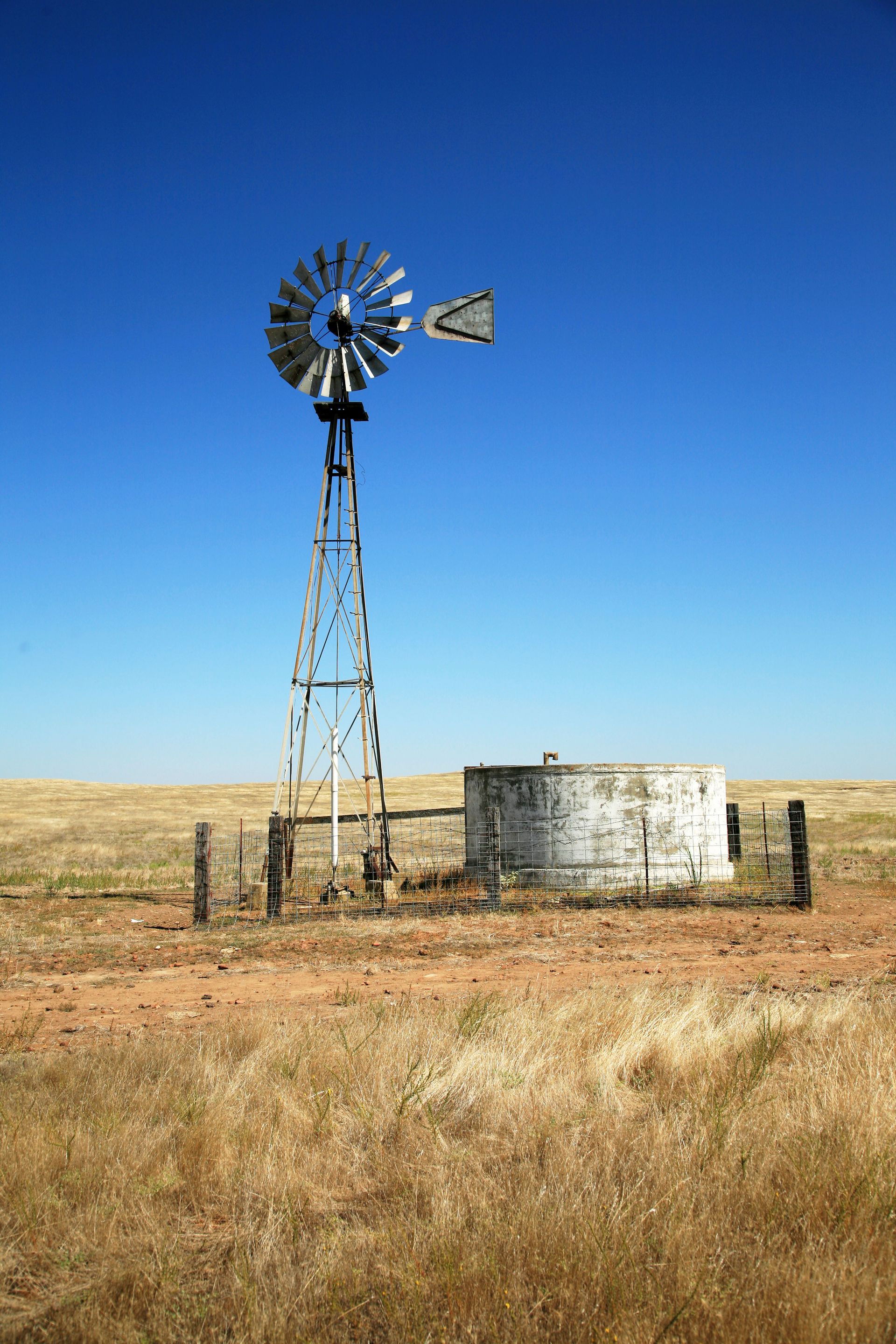
A pond aeration windmill is a mechanical device that uses wind energy to introduce air into water bodies. Designed with an emphasis on sustainability, these windmills are particularly efficient in rural and remote locations where access to electricity may be limited. Unlike electric aerators, wind-powered systems harness the kinetic energy of wind to operate, making them cost-effective over the long term. Typically mounted on a tower, the windmill's blades capture wind, turning it into mechanical motion. This motion drives a compressor, which pumps air through diffusers submerged in the pond, improving water quality and promoting a healthier ecosystem.
Components of a Typical System
A standard pond aeration windmill system comprises several key components: the windmill tower, rotor blades, a gearbox, a compressor, and air diffusers. The windmill tower supports the rotor blades, which are designed to capture and convert wind energy into mechanical force. The gearbox connects the blades to the compressor, transferring energy to activate the air pump. The compressor, powered by wind-generated mechanical energy, forces air through tubes and into pond diffusers. These diffusers, strategically placed on the pond bottom, release fine air bubbles that enhance oxygen transfer and circulation.
How Wind Drives Aeration
Wind drives the aeration process by first rotating the windmill blades, which generates mechanical energy. This energy is transmitted through the gearbox, causing the compressor to activate and pump air. The continuous movement of the air pump pushes air down to the diffusers at the bottom of the pond. Diffusers break the air into fine bubbles that rise to the surface, facilitating gas exchange and oxygenation. This process is vital for maintaining dissolved oxygen levels, as inadequate oxygen can lead to anaerobic conditions detrimental to aquatic life.
Types of Aeration Windmills
Several types of pond aeration windmills are available, each suited to different environmental conditions and pond sizes. Horizontal-axis windmills, the most common type, are effective for areas with consistent wind patterns, utilizing long rotor blades for optimal energy capture. Vertical-axis windmills perform better in turbulent wind conditions, where wind direction frequently varies. Hybrid windmills, combining features of both, offer versatility and can be customized based on specific location needs. The selection often depends on pond size, geographical placement, and the particular aeration needs of the water body.
The Role of Aeration in Healthy Ponds
Aeration is fundamental to pond health as it increases dissolved oxygen levels, a key factor in maintaining the balance of aquatic ecosystems. Adequate oxygen helps to support aquatic organisms such as fish and beneficial bacteria, vital for nutrient cycling. According to Penn State Extension, dissolved oxygen levels below approximately 6 mg/L can begin to have detrimental effects on pond life. Poorly oxygenated water can lead to anaerobic conditions, which favor harmful bacteria and pathogens, exacerbating issues like fish kills. By improving oxygen levels, aeration enhances the biological and chemical processes that preserve pond water quality.
How Aeration Improves Pond Health
Key Benefits of Aeration
Pond aeration offers numerous benefits including improved oxygen levels which help sustain aquatic life and overall pond health. Aeration supports aerobic bacteria that decompose organic matter, reducing muck accumulation and enhancing water clarity. Furthermore, it aids in the removal of harmful gases, such as ammonia and carbon dioxide, which can accumulate in stagnant pond water. Enhanced circulation promotes uniform temperature distribution, mitigating thermal stratification and preventing \"turnover,\" a phenomenon that can shock ecosystems. These benefits not only foster a healthier aquatic environment but also increase the pond's aesthetic and recreational value.
Impact on Water Quality
Aeration significantly enhances water quality by facilitating oxygen integration and nutrient distribution throughout the pond. Oxygenation supports beneficial microbial activity, which breaks down organic waste products efficiently, leading to decreased levels of organic pollution. Additionally, regular circulation prevents stagnation, thereby reducing the likelihood of harmful algal blooms that can discolor water and produce toxins. Improved water quality is especially crucial for maintaining the delicate balance required for a diverse aquatic ecosystem to thrive. Therefore, the role of aeration is indispensable in curbing adverse effects associated with poor water quality.
Aeration and Fish Habitat
The relationship between aeration and fish habitat is critical, as sufficient dissolved oxygen levels are paramount for fish survival and growth. Aeration helps maintain ideal oxygen gradients, ensuring fish access to the metabolically required dissolved gases at all depths. Poor oxygen levels, often found in unaerated ponds, can lead to fish stress, decreased immunity, and increased susceptibility to diseases. Aerating a pond can also limit habitat limitations caused by stratification, where fish are restricted to the pond's upper layers to avoid low-oxygen zones. Thus, aeration promotes a healthier environment conducive to diverse fish populations.
Reducing Algae and Plant Overgrowth
Excessive algae and plant overgrowth are common challenges in poorly maintained ponds, often driven by high nutrient levels and stagnant water. Aeration effectively mitigates these problems by disrupting the conditions that favor such overgrowth, namely, stagnant water and nutrient build-up. By circulating water and fostering aerobic bacteria, aeration helps reduce nutrient levels available for algal and plant growth. This, in turn, reduces the likelihood of algal blooms that can suffocate other aquatic organisms by depleting dissolved oxygen levels. Ultimately, aeration restores ecological balance, allowing desirable plant and animal life to thrive.
Promoting Beneficial Bacteria
Beneficial bacteria play a vital role in maintaining a healthy pond ecosystem by decomposing organic waste and pollutants. Aeration creates an oxygen-rich environment favoring these aerobic bacteria over anaerobic counterparts that often produce unpleasant odors and toxins. Increased bacterial activity accelerates decomposition rates, leading to improved water clarity and healthier pond conditions. These bacteria also aid in the nitrogen cycle, converting harmful ammonia into nitrites and then to nitrates, which are less toxic to aquatic life. By promoting the activity of beneficial bacteria, aeration helps maintain a balanced ecosystem essential for thriving aquatic life.
The Mechanics Behind Wind-Powered Aeration
Wind Capture and Blade Technology
The efficiency of a pond aeration windmill greatly depends on its ability to effectively capture wind energy. Blade technology is pivotal in this process, as the design and material of the blades determine how well wind energy is harnessed. Modern windmill blades are aerodynamically shaped, reducing drag and increasing rotation speed even in low wind conditions. High-quality, lightweight materials such as fiberglass or carbon composites are often used to achieve maximum efficiency and durability. Successful wind capture ensures that the system can operate consistently, aiding in continuous pond aeration irrespective of variable wind conditions.
Diffusers play a crucial role in distributing air evenly throughout the pond, ensuring maximum oxygen transfer to the water. Typically made of porous materials or equipped with fine apertures, diffusers break down air into micro-bubbles that efficiently rise to the surface. Their design must account for factors such as bubble size and material durability to withstand sodium and other water components. Strategically placed at the pond bottom, diffusers promote comprehensive water movement by creating vertical columns of rising bubbles. Proper deployment ensures effective aeration, eliminating dead zones and maintaining consistent dissolved oxygen levels across the pond's depth. Be sure to reach out to American Eagle Windmills today to learn more about our professional aeration windmill installations!