November 9, 2026
Pond stewardship connects property owners directly with the natural rhythms of their land. Whether managing a recreational fishing pond on a farm, a scenic retention pond in a rural subdivision, or an expansive watering hole for livestock, maintaining clean water is an ongoing responsibility. Beneath the calm surface of any standing water body, a complex biological system is constantly at work. Without regular water movement and sufficient dissolved oxygen, ponds begin to stagnate, forming algae mats, producing foul odors, and creating dead zones that threaten aquatic life. Setting up a dependable aeration windmill provides an off-grid biological lifeline that keeps water moving smoothly across every season.
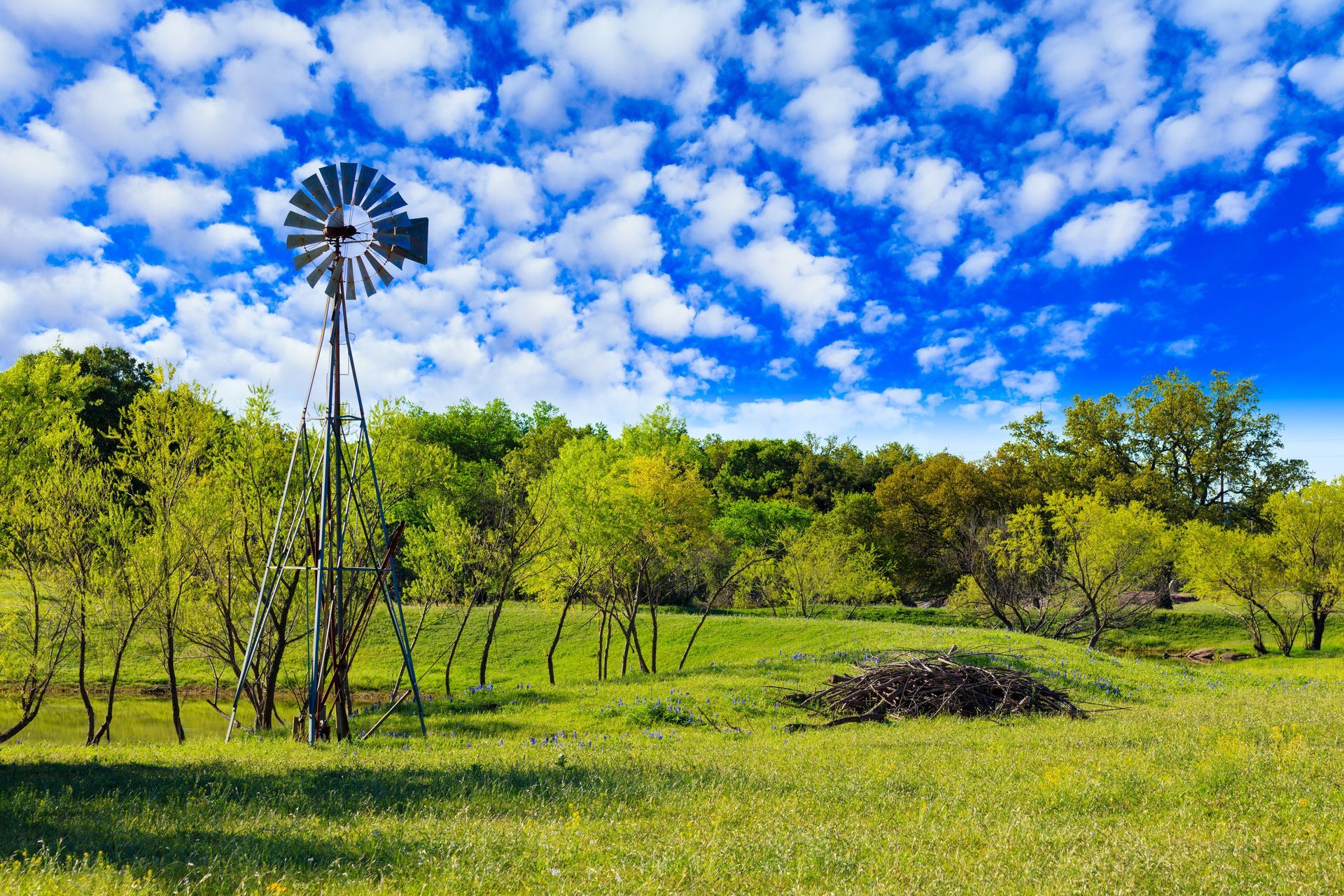
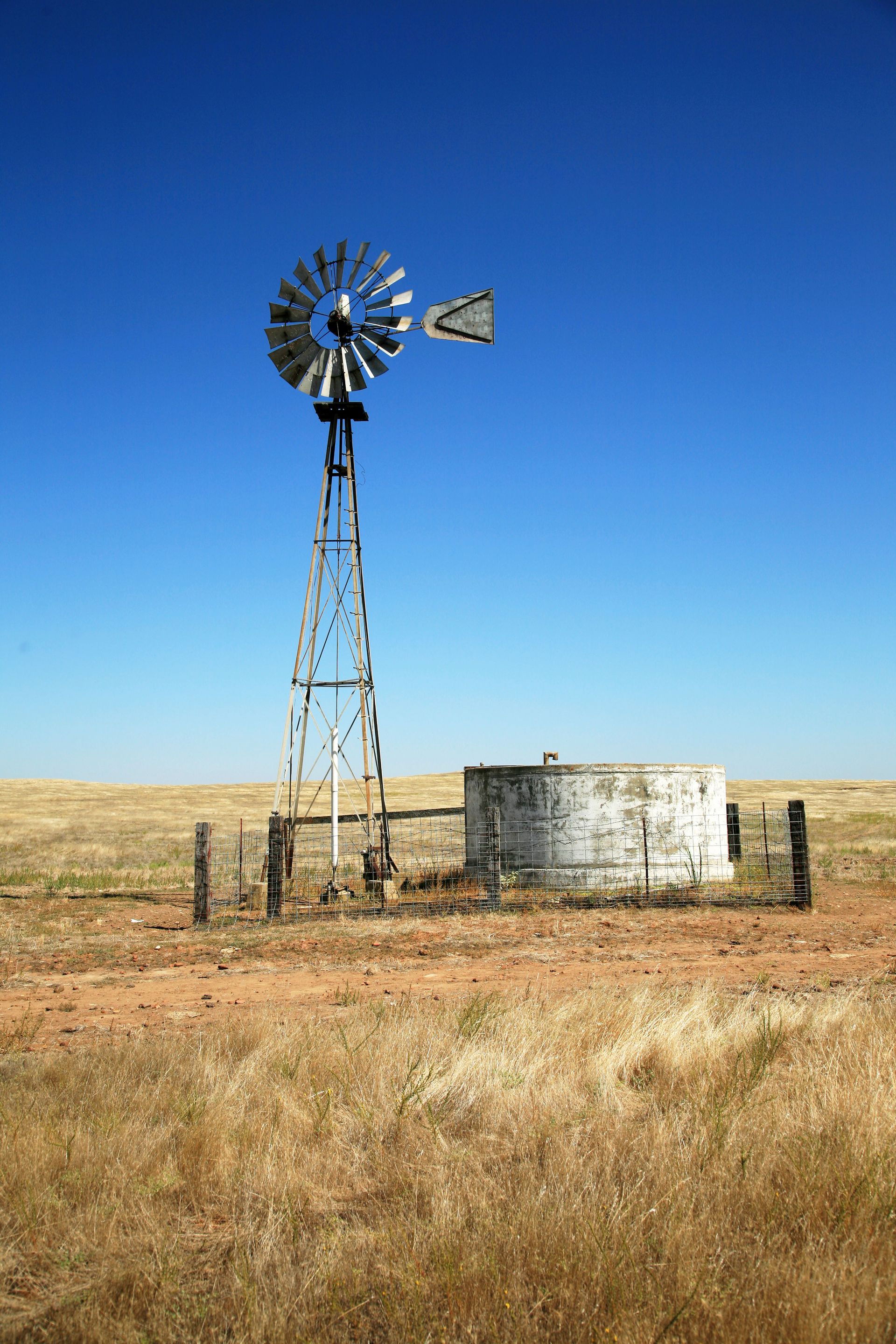
Finding an eco-friendly and cost-effective way to circulate water across vast acreage can be challenging when running electrical lines to remote shorelines is prohibitively expensive. Harnessing outdoor air currents offers a clean, sustainable method for oxygenating standing water without increasing monthly utility bills. According to The Pond Report, for the last 20-odd years the principal style of windmill tower has been a three-legged twenty-foot structure made of galvanized metal.
Investing in a durable aeration windmill allows landowners to tap into natural wind patterns to power submerged diffusers that oxygenate water from the bottom up. Studying how shifting wind velocities impact air compression, stroke speed, and oxygen distribution helps pond managers ensure biological balance across their aquatic habitats.
Responding to Calm Days and Light Breezes
Natural breezes vary significantly from hour to hour, often dropping to quiet conditions during hot summer afternoons or early morning hours. When wind speeds linger between two and five miles per hour, high-efficiency blades begin to turn gently, generating sufficient torque to initiate internal crankshaft movement. Specially balanced tail vanes pivot smoothly to track subtle shifts in breeze direction, aligning the blade hub directly into incoming air currents to harness every gentle whisper.
Operating an aeration windmill under light air conditions delivers steady, low-pressure air volume directly into submerged weighted tubing. Even minimal air movement activates micro-bubble diffusers resting on the pond floor, releasing tiny air columns that break through thermal stratification layers. While oxygen output is modest during light breezes, this continuous circulation prevents surface stagnation, disperses floating duckweed, and keeps bottom waters from depleting dissolved oxygen completely.
Operating Efficiently in Moderate and Steady Winds
Gentle, consistent breezes ranging from eight to fifteen miles per hour represent the ideal sweet spot for natural wind-driven water circulation. Under these sustained conditions, aerodynamic blades spin at consistent revolutions, providing steady mechanical leverage to the heavy-duty diaphragm compressor housed inside the head assembly. The internal rubber diaphragm flexes smoothly, compressing atmospheric air and sending uninterrupted airflow deep beneath the pond surface.
Running an aeration windmill in moderate breezes produces a powerful column of rising micro-bubbles that lifts cold,oxygen-poor water from the pond basin up to the surface. As bottom water contacts ambient air at the surface, it absorbs fresh atmospheric oxygen while releasing trapped carbon dioxide, hydrogen sulfide, and methane gases harmlessly into the sky. This steady biological exchange maintains water clarity, supports beneficial aerobic bacteria, and provides game fish with the oxygen levels they need to thrive.
Managing High Winds and Sudden Storm Gusts
Strong atmospheric storm fronts and seasonal gales can push ambient wind speeds well beyond twenty-five miles per hour within minutes. Excessive rotational velocity generates mechanical friction and structural stress, which could damage traditional mechanical pumps if left unchecked. Modern engineering solves this challenge by incorporating counter-balanced tail mechanisms and heavy-duty spring assemblies that regulate rotational speed automatically during violent wind events.
Equipping your pond with an engineered aeration windmill ensures that the head unit turns away from punishing wind currents through an automatic furling system. As storm winds push against the tail vane, the head assembly pivots slightly out of the direct wind path, slowing blade rotation to a safe speed while continuing to compress air. This built-in mechanical governance protects structural tower legs, reduces diaphragm wear, and guarantees reliable air delivery without risking equipment failure during harsh storms.
Circulating Deep Waters During Freezing Winter Gales
Winter weather brings dense cold fronts, heavy snowfall, and thick surface ice sheets that isolate aquatic habitats from atmospheric contact for months. When surface ice seals a pond, decomposing leaves and organic sludge on the bottom consume remaining dissolved oxygen rapidly, leading to catastrophic winter fish kills. Strong winter winds provide exceptional energy, turning freezing gales into a vital lifeline for hibernating fish and beneficial bottom-dwelling microorganisms.
Deploying an outdoor aeration windmill throughout freezing winter months keeps high volumes of warm bottom water circulating upward toward the chilly surface. This constant vertical water convection creates an open, ice-free hole in the center of the pond, allowing toxic decomposition gases to escape safely while sunlight reaches submerged vegetation. Maintaining open water pockets through winter conditions protects valuable fish stocks, limits thick ice expansion damage along shorelines, and ensures a seamless transition into spring.
Diffusing Oxygen Evenly Across Shifting Depths
Water depth plays a critical role in how air compression behaves, as every foot of water depth creates additional head pressure against submerged diffusers. During periods of fluctuating wind velocity, the volume of compressed air delivered to bottom diffusers fluctuates proportionally with blade speed. Experienced pond owners often utilize dual-diffuser manifolds or self-weighted sinking lines to distribute compressed air evenly across shallow coves and deep central basins alike.
Connecting an aeration windmill to multiple bottom diffusers maximizes overall circulation efficiency, ensuring that oxygen reaches both shallow spawning flats and deep bottom trenches. As rising bubbles create gentle circular currents, warm surface waters mix thoroughly with cold bottom layers, eliminating harsh thermoclines that cause sudden fish stress. Distributing oxygen evenly across varying depths creates an expansive, habitable zone where fish forage freely regardless of changing weather conditions.
Balancing Seasonal Aeration for Long-Term Pond Health
Achieving long-term ecological balance requires understanding how seasonal wind changes interact with natural pond chemistry and annual water temperatures. Spring and autumn bring frequent high-wind systems that facilitate complete seasonal pond turnover, while sweltering summer months often feature extended dry, windless periods. Complementing wind-driven circulation with pond dyes, beneficial bacterial treatments, and shoreline vegetation management keeps aquatic ecosystems resilient through every season.
Relying on a dependable aeration windmill provides an enduring, off-grid water management foundation that requires zero electrical infrastructure, minimal maintenance, and zero monthly utility expenses. Periodic visual inspections of the tower hardware, tail hinge pins, and air tubing connections are all that is needed to ensure decades of trouble-free water restoration.
Maintaining a flourishing, balanced pond ecosystem requires working in harmony with nature rather than fighting against challenging environmental shifts. Stagnant water, algae blooms, and dangerous oxygen depletion can quickly diminish the beauty, recreational value, and wildlife safety of your rural property, but relying solely on expensive electrical aeration systems is not always practical for remote landscapes.
Utilizing natural air currents through proven wind-driven water circulation provides an environmentally friendly, off-grid solution that continuously refreshes water bodies across shifting seasons, light breezes, and fierce winter storms. Installing a high-performance aeration windmill ensures that your aquatic retreat receives constant, natural aeration without relying on complicated power grids or fossil fuels.
Selecting high-quality galvanized tower engineering and responsive compressor components ensures that your aquatic retreat remains clean, clear, and full of life for decades to come. If you are seeking a sustainable, cost-effective way to revitalize your pond and protect aquatic life through every season, reach out to the experienced team at American Eagle Windmills today to discover the lasting benefits of installing an American Eagle Windmills
aeration windmill!